Signs Your Child May Need Braces in the Future

Every parent wants to see their child smile with confidence. But sometimes, behind that cute little smile, there could be hidden dental alignment issues. Identifying early signs that your child may need braces can help you take timely action and prevent future oral health challenges.

At Kids and Family Dental Centre, we specialize in pediatric and preventive dentistry. Our expert team is trained to detect orthodontic concerns at an early stage and guide you through the best treatment options.

🦷 Why Early Orthodontic Evaluation Matters

According to the American Association of Orthodontists, children should have their first orthodontic evaluation by age 7. Even though all the permanent teeth may not have come in, early checkups help spot potential problems with jaw growth and bite alignment.

Early detection = simpler, faster, and more affordable treatments.

🔍 Top Signs Your Child May Need Braces

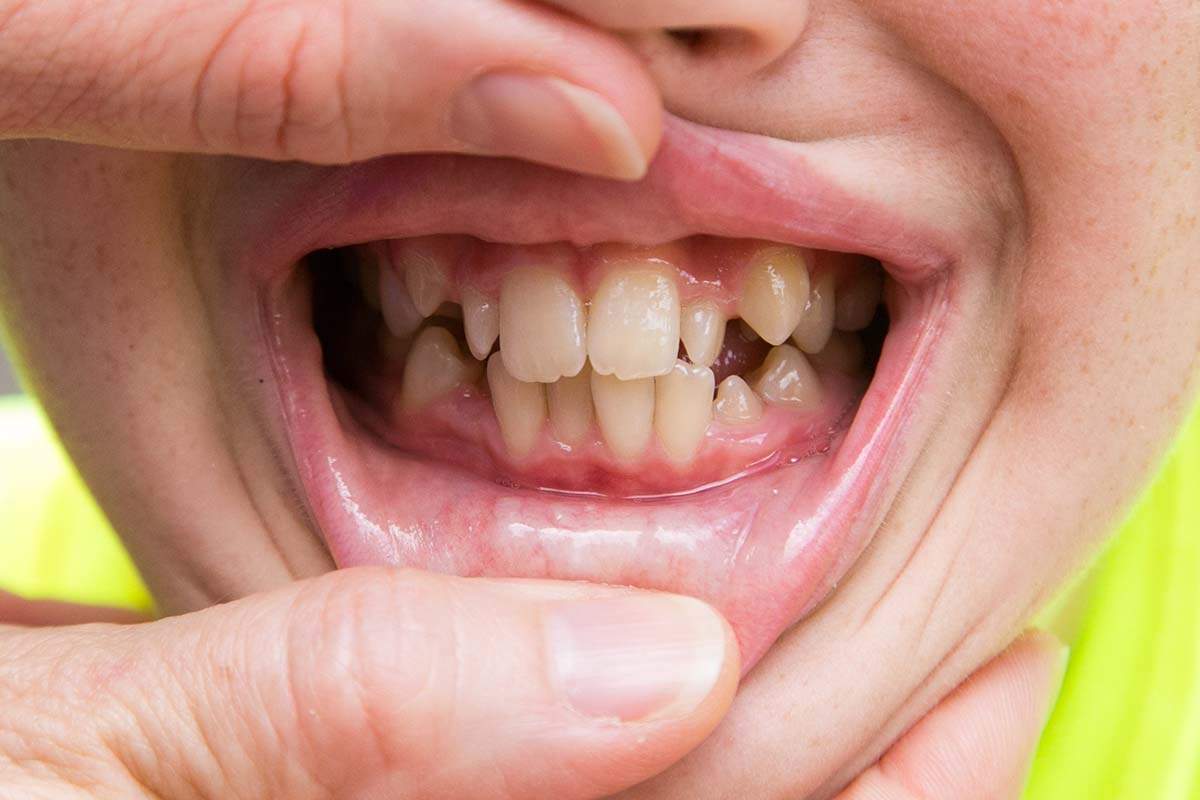
Child with crowded or crooked teeth needing orthodontic treatment

1. Crowded or Crooked Teeth

If your child’s teeth overlap or look misaligned, this could indicate jaw space issues. Braces help align teeth properly, improving both function and appearance.
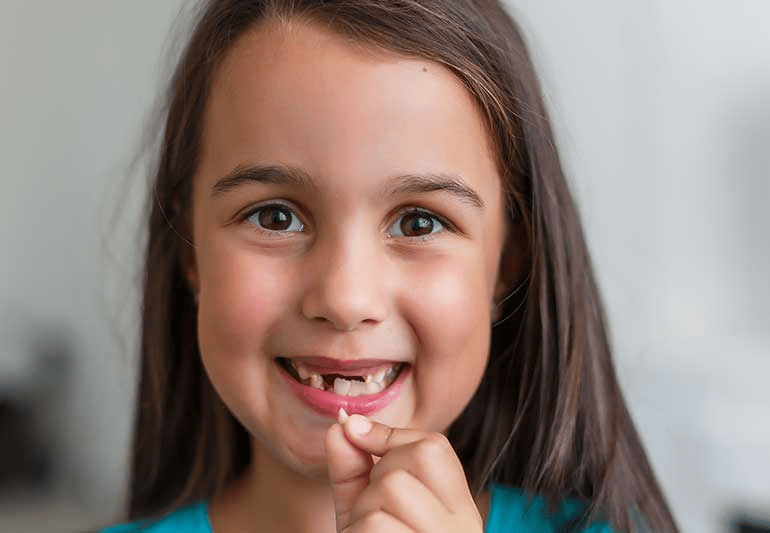
Smiling child holding a fallen baby tooth showing early loss of baby teeth

2. Early or Late Loss of Baby Teeth

Baby teeth falling out too early or too late may cause permanent teeth to erupt improperly. This is one of the most common indicators that orthodontic treatment may be required.
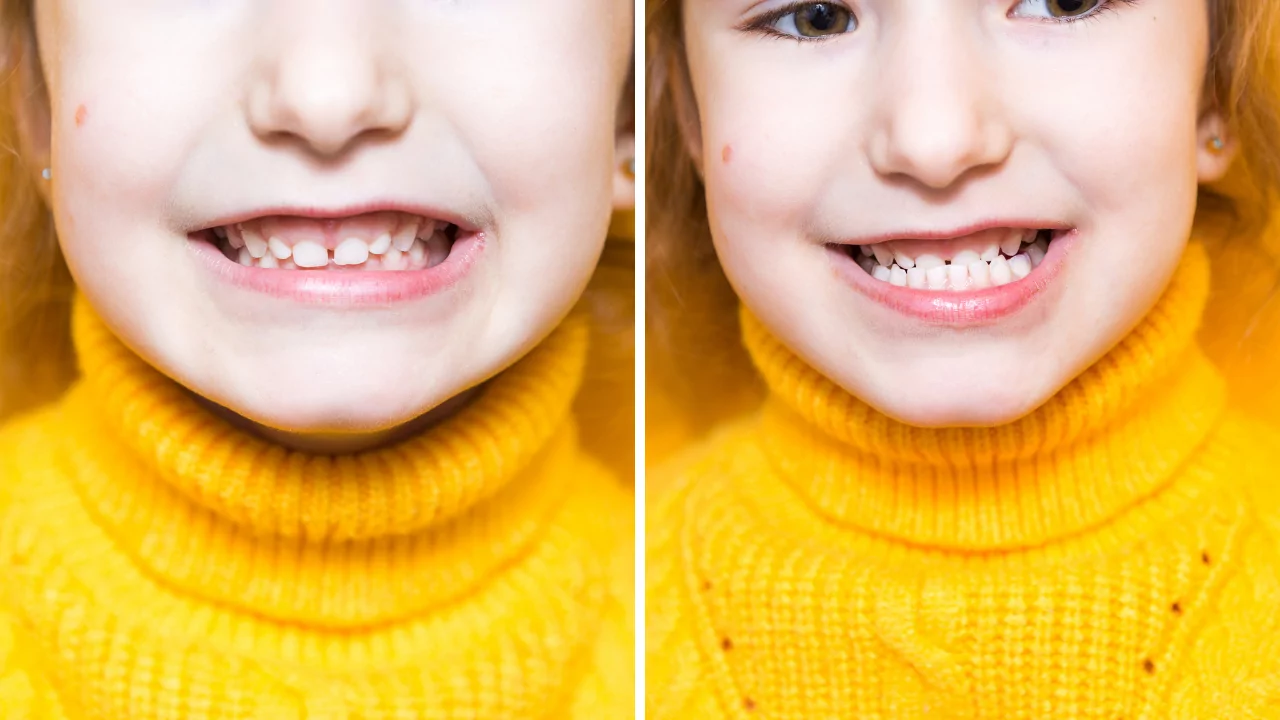
Child showing signs of overbite and underbite before and after orthodontic evaluation

3. Overbite or Underbite

A visible overbite (upper teeth sticking out) or underbite (lower jaw extending forward) can cause issues with chewing, speech, and self-esteem. Braces correct bite patterns effectively.
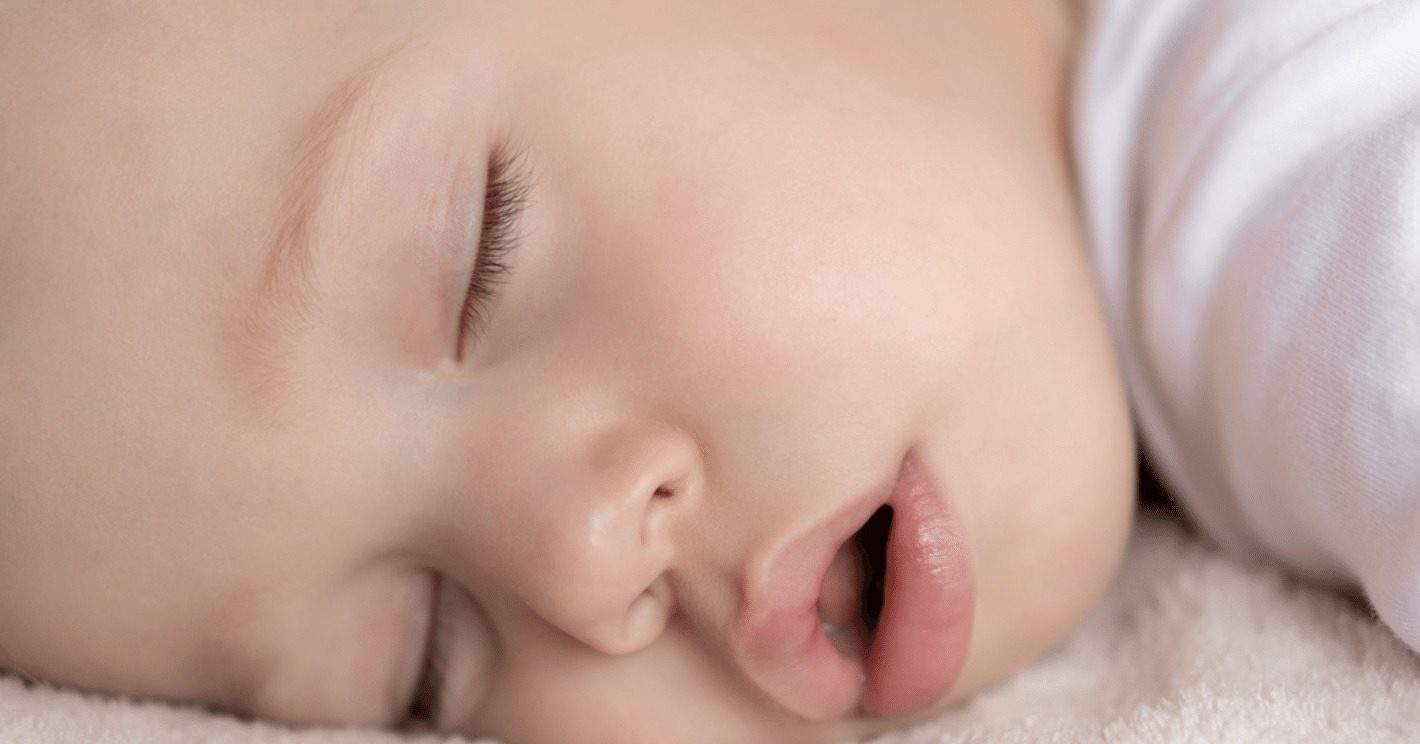
Sleeping baby breathing through mouth – a common early sign of orthodontic or airway issues in children

4. Mouth Breathing or Snoring

If your child breathes through their mouth, especially at night, it may be linked to jaw or airway development problems. An early evaluation is recommended to avoid long-term health impacts.
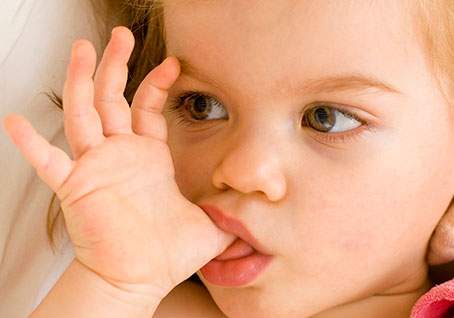
Toddler sucking thumb – prolonged thumb sucking habit beyond age 4 can affect dental and jaw development.

5. Thumb Sucking Beyond Age 4

Persistent thumb sucking can lead to misaligned teeth and jaw deformities. If your child still sucks their thumb after age 4, it’s best to consult a pediatric dentist.

6. Open Bite, Crossbite, or Deep Bite

Close-up of a child with open bite due to thumb sucking habit
Child with deep bite – upper front teeth excessively overlap lower front teeth
Child showing signs of crossbite with misaligned upper and lower teeth

These bite issues often result in uneven wear on teeth, jaw pain, and even speech difficulties. Braces can help correct bite alignment efficiently.

7. Difficulty Chewing or Speaking

If your child struggles while eating or has a lisp, it might be a sign of jaw misalignment or dental spacing issues. Orthodontic treatment can greatly improve these functions.

👩‍⚕️ When Should You Visit a Pediatric Orthodontist?

Between ages 6–10 is the best time to assess your child’s dental development. At Kids and Family Dental Centre, we offer:

  • Child-friendly dental consultations

  • Digital X-rays and jaw growth monitoring

  • Customized treatment plans

Our pediatric specialists create a stress-free and informative environment for both children and parents.

🌟 Benefits of Early Orthodontic Treatment

✅ Less complex procedures in the future
✅ Promotes proper jaw and facial development
✅ Prevents speech and chewing difficulties
✅ Boosts self-esteem and social confidence
✅ Saves on long-term dental costs